
Everyone Says “Ethical” — But Who Really Means It?
It seems like every elephant sanctuary in Thailand now calls itself ethical.
They all say the right words: “no cruelty,” “rescue,” “freedom,” “care.”
But once you step inside some of these places, you realize something isn’t right.
The elephants are still performing.
The tourists are still climbing on their backs.
And the truth? It’s hiding in plain sight.
Let’s uncover what’s really going on behind the “ethical” label — and how to tell the difference between sanctuaries that say they care and those that actually do.
🕵️ The Rise of “Greenwashing” in Elephant Tourism
As more travelers become aware of animal welfare issues, tour operators are adapting — not by changing their practices, but by changing their marketing.
They remove the word “riding” from their websites.
They call themselves “eco-sanctuaries.”
They tell guests the elephants were “rescued,” even if they weren’t.
This is called greenwashing — using feel-good language to cover up bad practices.
In elephant tourism, it’s everywhere. And it’s dangerous — because well-meaning people end up supporting places that still hurt elephants, just behind the scenes.
🚩 4 Red Flags of a Fake Ethical Sanctuary
If you’re wondering whether a sanctuary is truly ethical, watch for these warning signs:
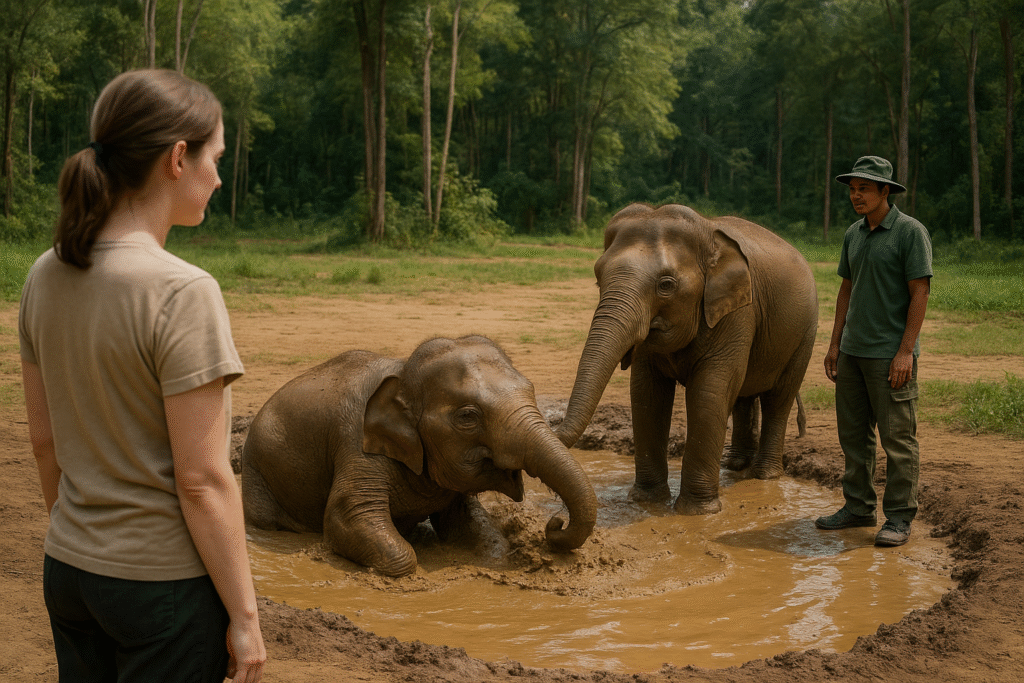
1. Elephant Riding Is Still Offered (Or Hidden)
Some sanctuaries offer “bareback riding” or claim that riding is part of “traditional culture.”
Some only let mahouts ride, but let guests take photos pretending to ride.
If riding is part of the program — even a little — it’s not ethical.
Period.
2. Elephants Are Made to Perform
If elephants are painting, playing soccer, standing on two legs, or bowing for tips, they’ve been trained through force, not kindness.
Even if these tricks seem fun or “natural,” they’re not.
Elephants don’t paint in the wild.
They do it because they were broken emotionally — often from a young age.
3. Too Many Tourists, Not Enough Space
Crowds, loud noises, and lines of people pushing to feed or bathe elephants = stress for the animals.
A true sanctuary keeps group sizes small, protects elephant space, and never forces interaction just to please a guest.
If the vibe feels like a zoo or circus — trust your instincts.
4. The Elephants Are Chained When You’re Not Looking
This is one of the most common hidden cruelties.
Some places unchain the elephants only during tour hours. But outside of those times? They’re tied to posts, often in concrete pens, alone and isolated.
A real sanctuary allows elephants to move, socialize, and explore on their own terms — not just when guests are watching.
✅ 4 Green Flags of a Truly Ethical Sanctuary
Now that you know what to avoid, here’s what to look for instead:
1. No Riding or Tricks — Ever
No excuses. No exceptions.
If a place clearly bans riding, doesn’t do performances, and lets elephants live naturally — that’s a good sign.
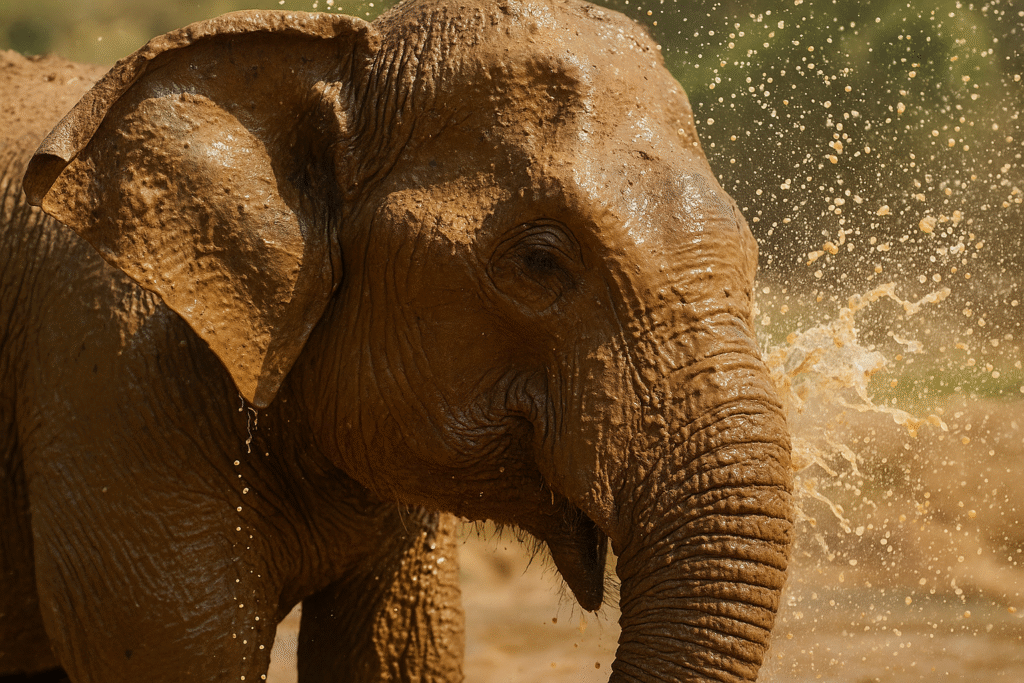
2. Freedom to Roam in Natural Habitat
Elephants should be free to walk, bathe, rest, and socialize on their own schedule — not be dragged from one guest group to the next.
Look for large spaces, shade, and natural jungle — not cages or chains.
3. Interaction Is Optional and Elephant-Led
Guests might get to feed or bathe with elephants — but only if the elephants choose to come close.
Staff should guide these moments with clear boundaries and care.
If the elephant is forced into selfies? That’s not ethical.
4. Transparency, Education, and Real Rescue Stories
Do they tell you where the elephants came from?
Are you learning something — or just snapping photos?
Do the guides explain what makes their place different?
Real sanctuaries are open about their process — and proud of their mission.
🐘 What We Do Differently at Elephant-Sanctuary.org
We’ve seen the tricks. We’ve seen the greenwashing. And we’ve seen what happens when elephants are treated like objects, not individuals.
So we built something else.
Here’s what you’ll find at our sanctuary in Chiang Mai:
- ✅ No riding, no hooks, no paintbrushes
- ✅ Elephants that walk freely in the forest
- ✅ Small groups and quiet observation
- ✅ Ethical feeding and bathing experiences (never forced)
- ✅ Real rescue stories — not just marketing
- ✅ English-speaking guides who teach, not sell
- ✅ Staff who love elephants like family
This isn’t a “show.” It’s a second chance.
🧠 Why It Matters
When you choose a real ethical sanctuary, you help change the future of elephant tourism.
You send a message:
“I care how these animals are treated — and I won’t support cruelty dressed up as kindness.”
You also get something priceless:
A real connection.
A real experience.
A memory that feels good because it is good.
🙌 Thank You for Caring Enough to Learn the Truth
You’re here because you want to make the right choice.
That already makes you part of the solution.
If you still have questions — ask them.
If something doesn’t feel right — trust your gut.
And if you’re ready to meet rescued elephants who live with peace, space, and dignity — come visit us.
