
Yes, some places still offer elephant riding in Thailand. Elephant Sanctuary | Est. 2007 doesn’t offer riding or shows at any of its locations. If you were planning to ride, here’s what riding involves, how to check any camp before you book, and the no-riding ways to spend a day close to elephants in Chiang Mai, Phuket or on a trip from Bangkok or Pattaya.
Updated October 2026
Nobody here is going to lecture you. Elephant rides have been sold to travelers in Thailand for decades, and wanting to be close to an elephant is a good instinct. This guide is about putting that instinct somewhere better.
At a glance
- Some venues in Thailand still sell elephant rides, often alongside shows or photo posing.
- We offer no riding and no shows at any location: Chiang Mai, Phuket, and Chonburi for travelers coming from Bangkok or Pattaya.
- A no-riding day is built around feeding, walking and learning. Activities depend on the elephants, the weather and safety.
- From Bangkok or Pattaya, the half-day trip to Chonburi costs ฿2,500 for adults and ฿1,300 for children aged 4–8.
- Before you book any camp, ask what the elephants do between visits, how big the groups are, and whether anything is performed on cue.
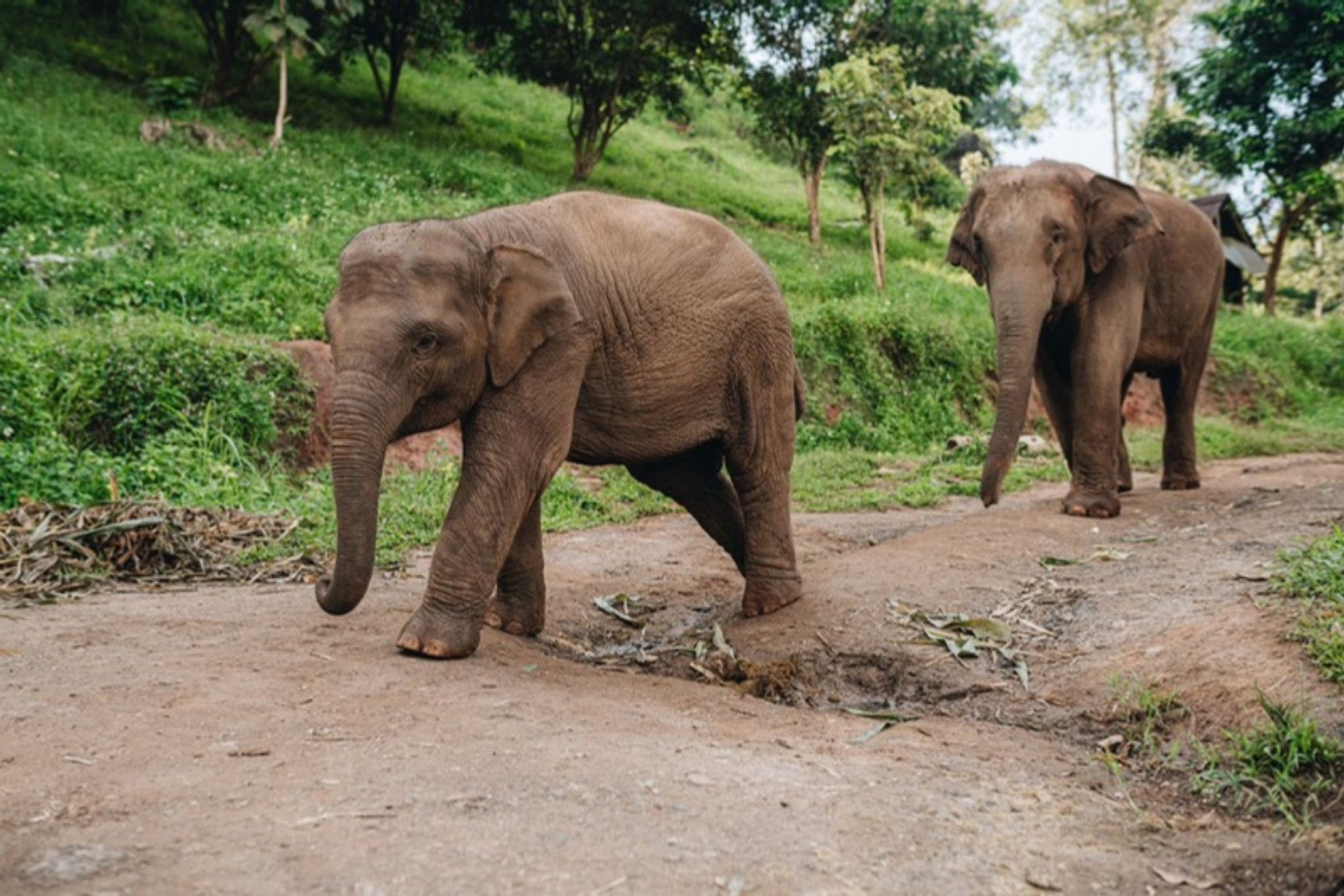
Why elephant riding in Thailand is on so many lists
It’s easy to see how riding ends up on a Thailand itinerary. The photos are everywhere: a traveler high up on an elephant, jungle all around, a grin from ear to ear. Hotel desks and street-side tour boards still sell it. For a lot of people, it’s the picture they had in their head long before they booked a flight.
Underneath the photo is something real. You want to be close to an animal that’s huge, calm and very much alive. You want a moment that feels bigger than another temple or another beach. That wish is the right starting point. The question is just which kind of day gives you that closeness without the elephant paying for it.
If you’ve ridden before, that’s not a mark against you. Plenty of travelers did it before anyone told them there was another option. What matters is the next booking.
Can you still ride elephants in Thailand?
If you’re asking “can you ride elephants in Thailand?”, the short answer is yes. You can still find venues across Thailand that sell elephant rides, sometimes alongside shows, painting or posing for photos. Some advertise “gentle” or “bareback” riding as the kinder version. Others sit next door to venues that call themselves sanctuaries, so it’s not always obvious from a listing what you’re buying.
The bigger picture comes from World Animal Protection. Its Bred to Entertain report (January 2026) assessed 2,849 elephants at 236 tourism venues in Thailand. In WAP’s assessment, 69% were living in poor or unacceptable conditions, and only 7% were at observation-only venues. You can read the summary in WAP’s press release.
So, to the question of where to ride elephants in Thailand: there are still places that will sell you a ride. This guide won’t list them. It will help you check any camp you’re considering, and show you what a no-riding day looks like instead.
What we think, and why we don’t offer rides
If you’re wondering whether it’s OK to ride elephants in Thailand, here’s where we stand. No riding and no shows is the standard at every one of our locations: Chiang Mai, Phuket, and the program in Chonburi for travelers coming from Bangkok or Pattaya. It isn’t an add-on or an upgrade. It’s the baseline everything else is built on.
The reason is simple. Elephants aren’t props, and a day built around carrying people or performing on cue puts the visitor’s plan ahead of the elephant’s. A no-riding visit flips that. The day is organized around feeding, walking and learning. If the elephants aren’t comfortable, the plan changes.
Elephant Sanctuary | Est. 2007 does not offer elephant riding in any of its programs. That is the standard at every location: no rides, no shows, and a day built around the elephants rather than around a performance for guests.
Different locations work differently, and the honest thing is to say how. You’ll find each one below, with what’s included and what isn’t.
Thinking about riding anyway? What to check first
If you’re still weighing up a riding camp, or any camp, these checks will tell you a lot before you hand over money:
- What do the elephants do when they aren’t working? Ask what a normal day looks like for them outside tourist hours. A clear, specific answer is a good sign. A vague one isn’t.
- Can an elephant walk away? In photos and videos, do elephants move around freely, or stand in one spot while guests rotate around them?
- How big are the groups? Ask for a number, not “small groups.”
- Does the camp explain its standards before you book? A venue that’s proud of how it works will tell you its rules on contact, feeding and safety without being asked twice.
- Is there anything performed on cue? Painting, dancing, football, “kisses” or posing on command are red flags, whatever else the venue offers.
- Is “ethical riding” in the description? Words like “gentle,” “bareback” or “ethical” next to riding are marketing. They don’t change what the elephant is being asked to do.
- Where exactly is it, and what’s included? Get the province, the price in THB, transfer coverage and any extra fees before you pay.
A no-riding elephant sanctuary in Thailand should be able to answer all seven plainly before you pay.
For the full checklist, see how to choose an ethical sanctuary. If you want the problem side in more detail, read why not all elephant sanctuaries are ethical, even if they say so.
What to do instead: a day with elephants, no riding
A no-riding day is usually longer and slower than a ride. You spend more time on your feet, you learn more about the elephants, and the pace is theirs, not the schedule’s. Here’s what that looks like at each location.
Chiang Mai: feeding and walking
Chiang Mai is where we began, and it’s still the heart of the brand. The current programs are built around feeding the elephants and walking with them, with a guide. There’s a half-day morning, a half-day afternoon and a full day. The half-day programs take about 5–6 hours and include pickup, a guide, lunch, elephant food and insurance.
The mahouts are lifelong caretakers. Each mahout looks after one to three elephants, and they walk, eat and sleep with them. During the program, the mahout gently oversees so everything is taken care of: the elephants know what to do and where to walk, and the mahouts watch their behavior to help prevent accidents.
Guests on TripAdvisor notice the difference. Agathe B (Sep 2026) wrote that the day ran “without riding or unnecessary interactions.” Mark D (Oct 2026) put it simply: “The elephants are clearly well cared for.”
See the Chiang Mai sanctuary page, or compare the Chiang Mai programs for times and prices.
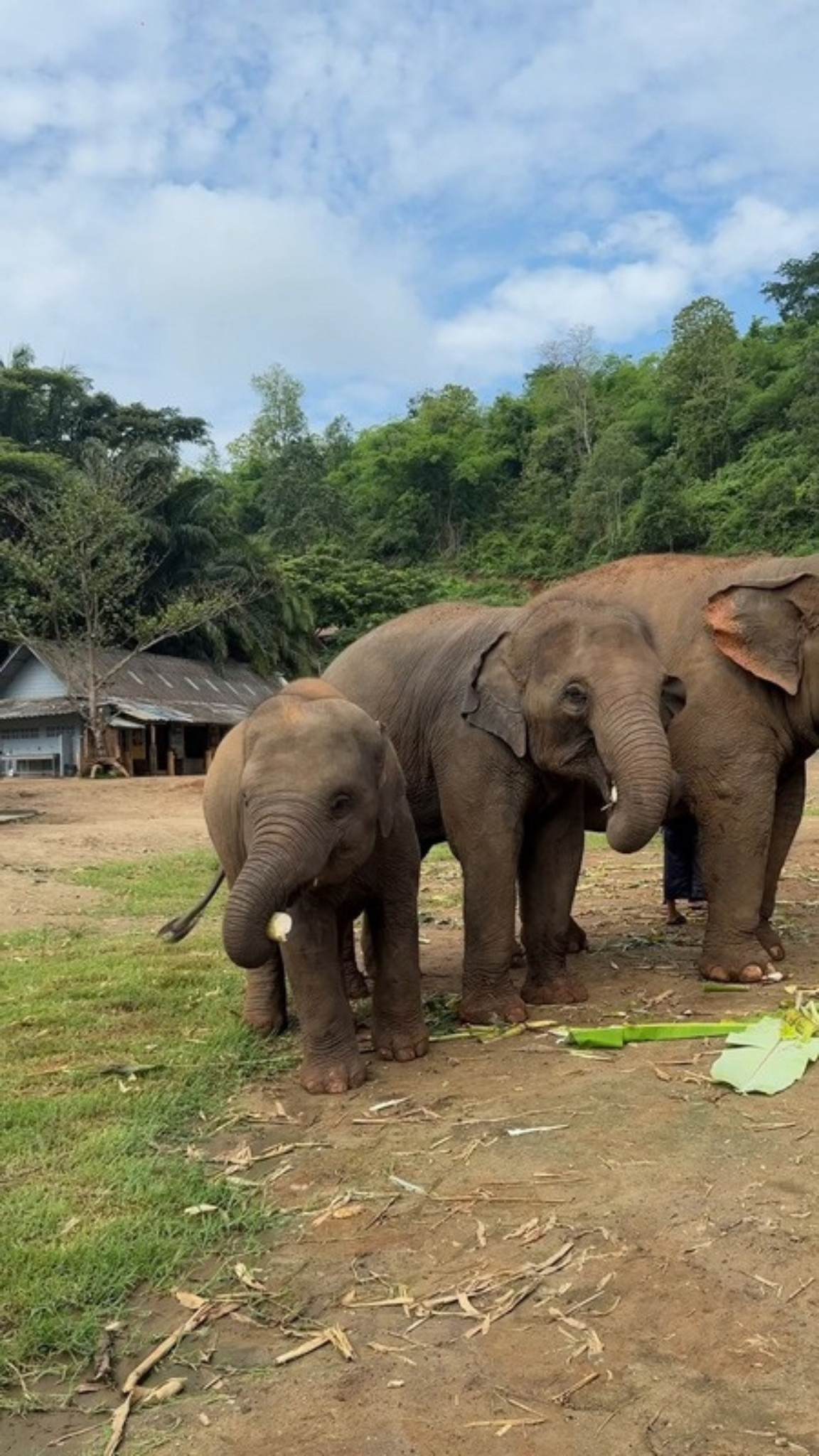
Phuket: feed, walk and learn, no tourist bathing
Phuket’s position is clear: no riding and no tourist bathing. Guests feed, walk, learn and observe. There are three program lengths, which makes it easy to fit around a beach holiday or a family’s attention span: the Elephant Nature Program (about 3 hours, with elephant feeding, education and Thai cultural demonstrations), the Walk & Feed Program (about 2 hours, with rice-ball preparation) and a shorter Mini Elephant Nature Program for travelers with limited time.
Same model here: mahouts are bonded caretakers who stay with one to three elephants day to day. During the visit they gently oversee the walk and feeding, the elephants know the routine, and the mahouts watch how the animals behave so the day stays safe. No tourist bathing, and no riding.
Details and booking are on the Phuket page.
From Bangkok or Pattaya: a half-day trip to Chonburi
You don’t need to fly to Chiang Mai to include elephants in your Thailand trip. Bangkok is the departure point, and the sanctuary is in Chonburi, about 1.5 hours away by air-conditioned van, depending on traffic. You choose a morning or an afternoon program.
The program includes feeding, walking and a mountain viewpoint. The price covers transfer from selected pickup areas in Bangkok or Pattaya, an English-speaking guide, insurance, elephant food, a local Thai meal, drinking water and free photos from your guide. From Bangkok or Pattaya, adults pay ฿2,500 and children aged 4–8 pay ฿1,300. Booking is request first, with no payment until your booking is confirmed.
Mahouts at the Chonburi program work the same way: each looks after one to three elephants, walking, eating and sleeping with them. During the half-day visit the mahout gently oversees feeding and walking, the elephants know what to do and where to walk, and the mahouts watch animal behavior to help prevent accidents.
Book the elephant sanctuary tour from Bangkok, or see the pickup areas for the trip from Pattaya.
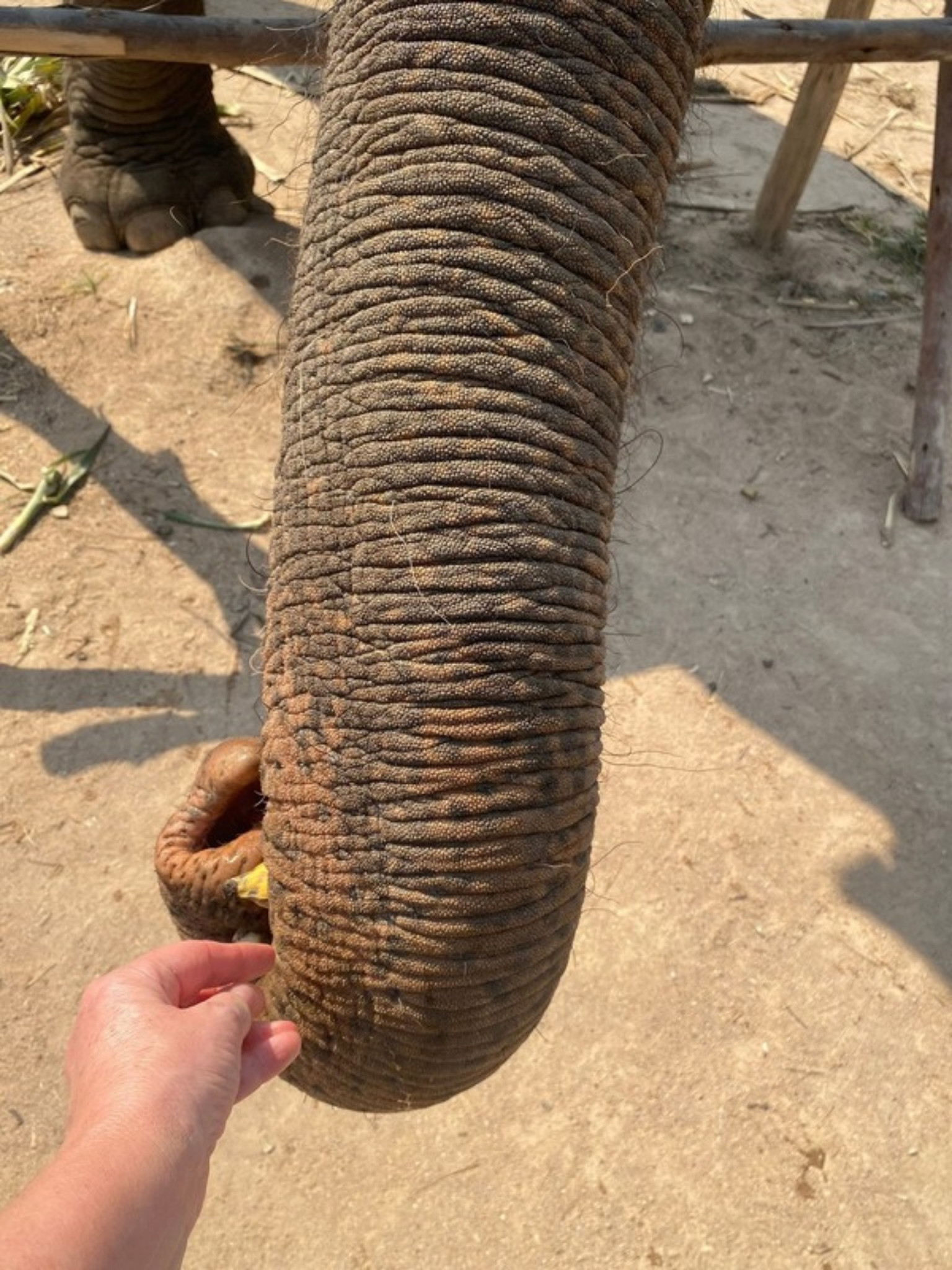
Riding vs walking with elephants: a quick comparison
| Riding | Walking and feeding (no riding) | |
|---|---|---|
| What you do | Sit on the elephant, in a seat or on its neck, along a set route | Walk alongside, offer food, listen to the guide and mahouts |
| How close you are | On top of the elephant | Beside it, on the ground, within the venue’s rules |
| Who sets the pace | The route and the next booking slot | Ideally the elephants, with mahouts close by |
| What the elephant can choose | Very little while carrying a rider | More room to come over, take food or move on, within the venue’s rules |
| What you take home | A photo from above | Time watching how elephants actually move, eat and behave |
| Trade-offs | Short and easy to fit in | Takes longer, more time on your feet, outdoor programs depend on the weather |
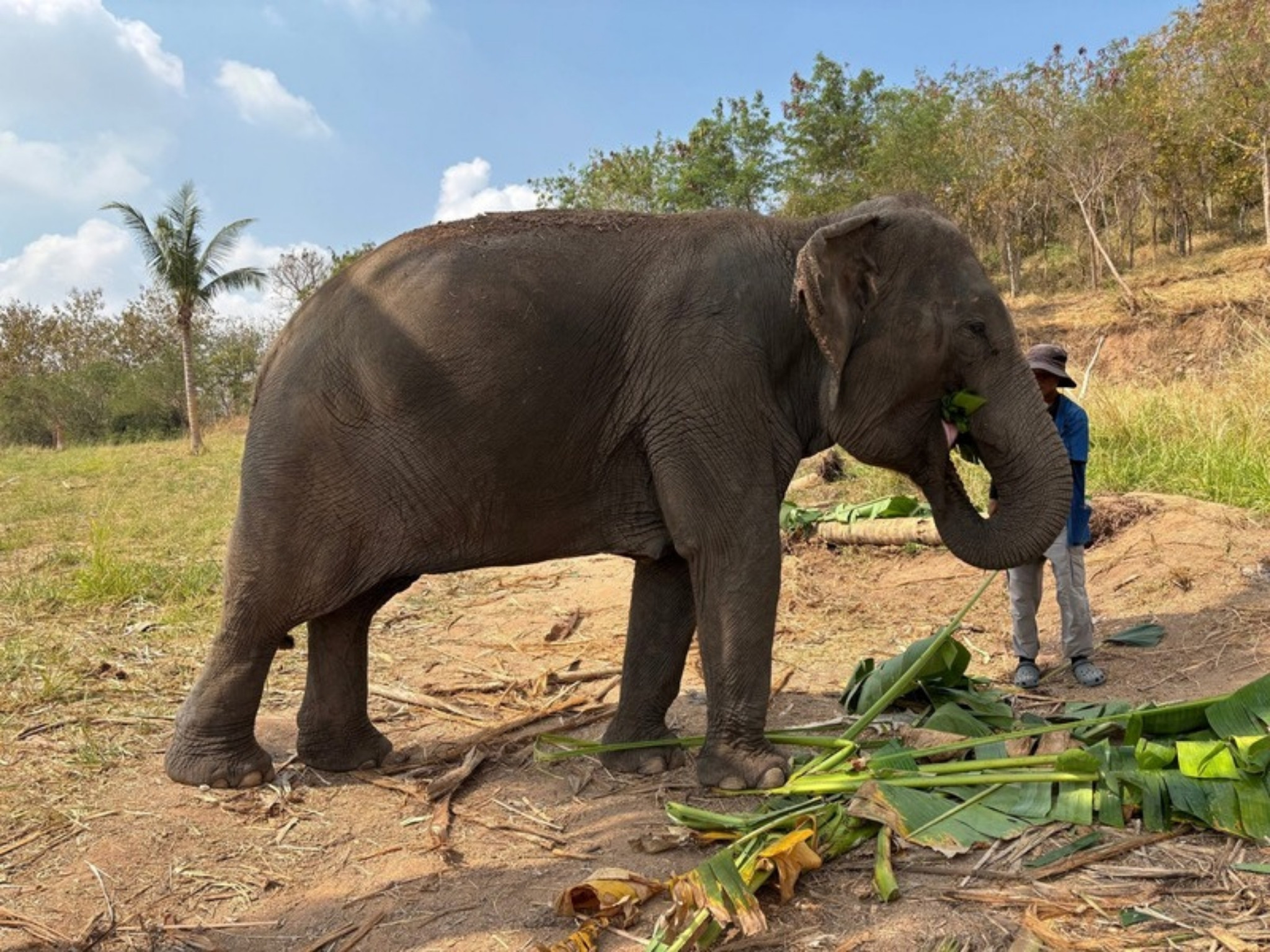
FAQ
Can you still ride elephants in Thailand?
Yes. Some venues in Thailand still sell elephant rides, often alongside shows or posing for photos. World Animal Protection’s Bred to Entertain report (January 2026) assessed 2,849 elephants at 236 venues and found 69% in poor or unacceptable conditions, in its assessment. We don’t offer riding or shows at any location. If you’re comparing camps, check what the elephants do between visits, group size and whether anything is performed on cue.
Do any Elephant Sanctuary | Est. 2007 programs include riding?
No. There’s no riding and no shows at any of our locations, whether that’s Chiang Mai, Phuket or the Chonburi program for travelers coming from Bangkok or Pattaya. Instead, programs are built around feeding, walking and learning about the elephants, and the day’s shape can shift with how the elephants are doing. Each location works a little differently, so check the program page before you book.
What can you do with elephants instead of riding?
It depends on where you are. In Chiang Mai, the programs center on feeding and walking with the elephants. In Phuket, guests feed, walk, learn and observe, and there are three program lengths. From Bangkok or Pattaya, a half-day trip to Chonburi includes feeding, walking and a mountain viewpoint, with transfer, a guide and a Thai meal. We offer no riding and no shows at any of them.
Is walking with elephants better than riding?
For most travelers who want to feel close to an elephant, yes. On a walk you’re on the ground beside the elephant, and the pace follows the elephants rather than a route and a booking slot. You get real time to watch how they move and eat. It still isn’t a guarantee of any particular moment: a good venue lets the elephants decide, and activities can change on the day.
How do you know if an elephant camp is ethical?
Start with the basics: no riding, no shows, and nothing performed on cue. Then ask for a stated group size, the rules on feeding and contact, what happens if an elephant doesn’t want to take part, and the full price in THB with any extra fees. Clear answers before you book are a good sign. For the full list, see the guide on how to choose an ethical sanctuary in Thailand.
Can kids enjoy a no-riding elephant day?
Yes. A no-riding day is a good way for kids to learn that respecting an animal means letting it set the pace. On our half-day trip from Bangkok or Pattaya to Chonburi, children aged 4–8 pay ฿1,300 and adults pay ฿2,500. Child prices and age bands for Chiang Mai and Phuket are on the Chiang Mai programs and Phuket pages. No program promises a particular elephant or a baby elephant.
Elephants aren’t here to perform for us. We’re here to give travelers a better way to meet them.
