


Not All Sanctuaries Are the Same — Here’s How to Spot the Ones That Truly Care
Chiang Mai is one of the most magical places in the world to see elephants. Surrounded by jungle and rolling mountains, it’s home to dozens of sanctuaries offering visitors a chance to meet these majestic animals up close.
But here’s the truth: not every sanctuary is responsible.
Some places still chain their elephants when tourists aren’t looking. Some allow riding but use words like “rescue” or “ethical” to make it sound okay. Others offer “shows” that force elephants to paint or dance. And many travelers don’t find out until it’s too late.
So how do you know you’re supporting a place that actually puts the elephants first?
Look for these 7 clear signs of a truly responsible elephant sanctuary — and avoid anything that falls short.
✅ 1. No Riding. No Tricks. No Shows.
This is the #1 rule. Responsible sanctuaries never allow elephant rides or performances. Period.
If you see saddles, paint, or elephants playing soccer — it’s not a sanctuary. It’s a business that still profits from animal suffering, even if it hides behind the word “ethical.”
In contrast, real sanctuaries let elephants walk freely, bathe when they want, and express their natural behavior.
✅ 2. Elephants Are Not Chained During the Day
Chains are still commonly used in many tourist camps — especially when guests are not around. A responsible sanctuary either doesn’t use chains at all or uses them only briefly for safety, like during medical checkups.
When you visit, pay attention: Are the elephants walking freely? Are they socializing or resting under the trees? Or are they tied to posts, waiting for the next group of tourists?
Freedom matters.
✅ 3. Small Group Sizes and Quiet Observation
At a true sanctuary, you’ll notice something different: peace.
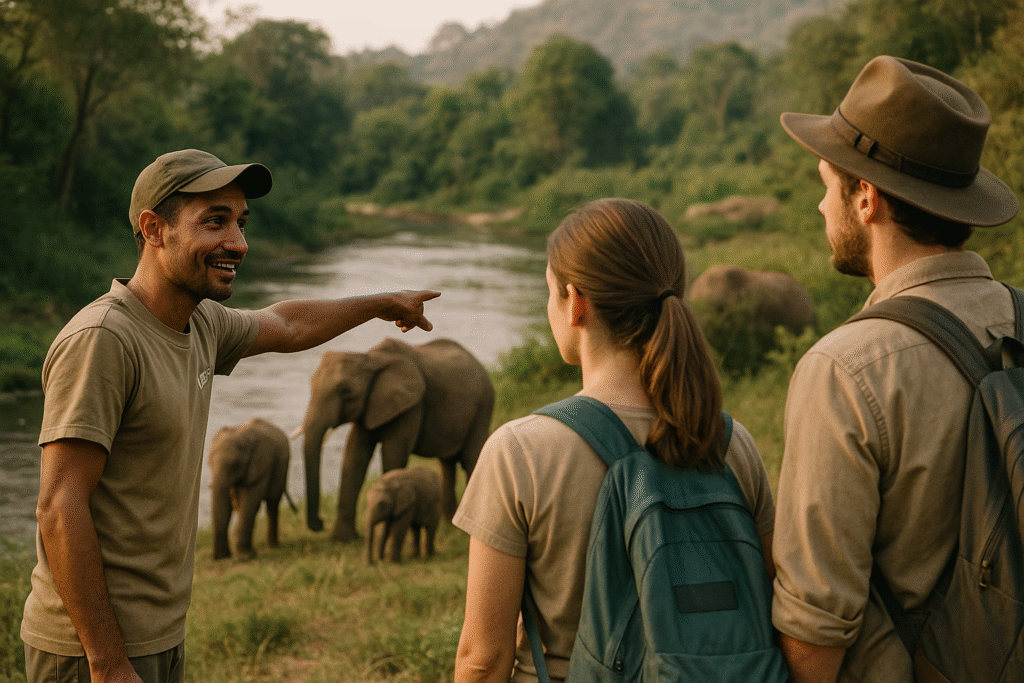
Elephants aren’t surrounded by shouting crowds. Guests are invited in small, respectful groups. Interactions are calm and guided by experienced staff. The goal isn’t to entertain the human — it’s to respect the animal.
You might even be asked to stay quiet around certain elephants — especially those still healing from trauma. That’s a good sign.
✅ 4. Limited Human Contact — Only If Elephants Want It
Some sanctuaries let you feed and bathe with the elephants — but only when the animals feel comfortable. Others may not allow touching at all, depending on the elephants’ needs.
That’s not a red flag — that’s responsibility.
Real sanctuaries never force elephants into interactions for the sake of a “great selfie.” They let the elephants decide how close they want to get.
✅ 5. Staff Who Educate — Not Just Entertain
At a responsible sanctuary, the guides and caretakers aren’t just there to smile and help you feed bananas. They’re educators.
They’ll explain:
- Where each elephant came from
- What trauma they experienced
- How the sanctuary cares for them now
- Why certain behaviors or rules matter
You should leave the visit not just with photos, but with knowledge — and maybe even a changed perspective.
✅ 6. A Focus on Rescue, Not Breeding for Tourism
Ask this simple question: Where do the elephants come from?
If they were rescued from logging camps, circuses, or riding operations — that’s a good sign.
But if the sanctuary breeds elephants for future tourism revenue (especially if there are always babies around), it’s worth questioning the ethics behind it. A real sanctuary’s goal is to help elephants retire, not reproduce for the camera.
✅ 7. Transparency in Reviews and Daily Life
Look for sanctuaries that share honest, behind-the-scenes content. Do they show the elephants resting? Getting medical care? Wandering freely? Do they welcome honest reviews on platforms like Google, GetYourGuide, or TripAdvisor?
Responsible sanctuaries don’t hide how they operate — they’re proud to show it.
If everything feels staged and perfect, ask yourself what might be happening off-camera.
🐘 How Our Sanctuary Lives These 7 Principles
At Elephant-Sanctuary.org, we didn’t start with a business plan — we started with a promise:
“Let elephants live like elephants — with dignity, freedom, and care.”
That means:
- ✅ No rides or shows — ever
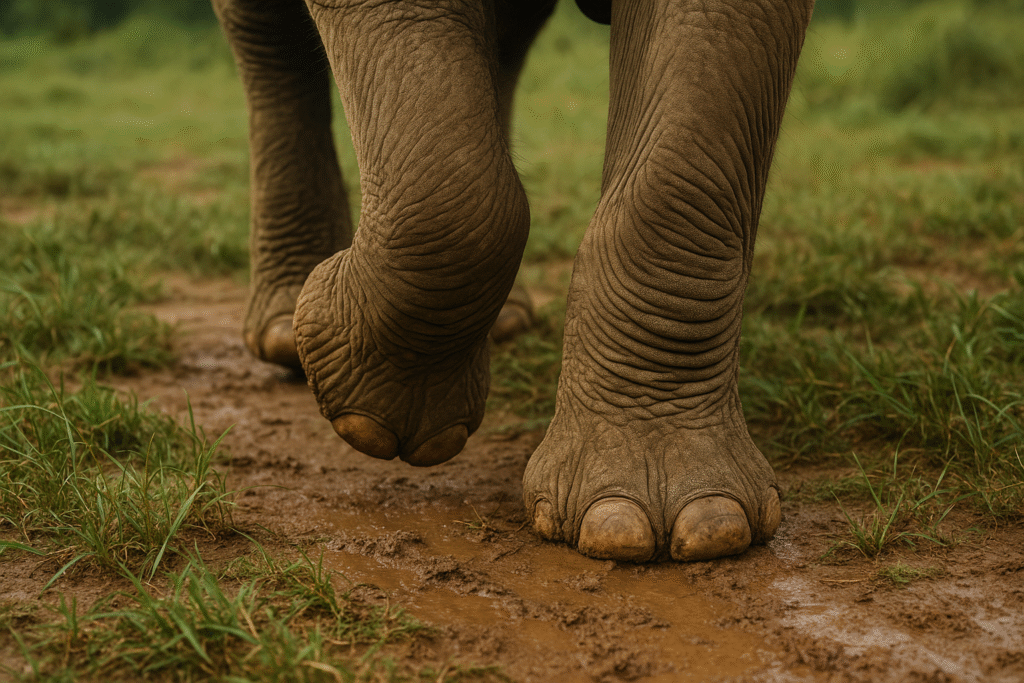
- ✅ Elephants walk free in the forest, not chained to a post
- ✅ We cap group size to keep it calm and respectful
- ✅ You’ll hear each elephant’s real story from an English-speaking guide
- ✅ We only allow gentle, respectful interaction — nothing forced
- ✅ Every elephant here has been rescued, not bred
- ✅ Our sanctuary is open and transparent — because we have nothing to hide
🧭 So, How Do You Know You’ve Found the Right Sanctuary?
Simple: Look at the elephants.
Are they calm, curious, and free? Or are they performing, carrying tourists, or standing alone in chains?
Your heart will know.
And when you’re ready to experience what a real ethical sanctuary feels like — not just for the elephants, but for you — we’re waiting in the hills of Chiang Mai with open arms and open space.
👉 See our daily tour schedule and meet our rescued elephants in their natural environment.
Let your visit be part of their healing journey.
